
Recovery, Cellular Repair, and Biological Resilience
Most people think of recovery as "doing nothing." In reality, your body is doing everything. Recovery isn't just a break from the grind; it’s a high-speed biological construction site. When we push our limits, we trigger a cascade of cellular "work orders"—from inflammation control to angiogenesis (the birth of new blood vessels).
RECOVERY & PERFORMANCEPEPTIDE BASICS
2/16/20261 min read
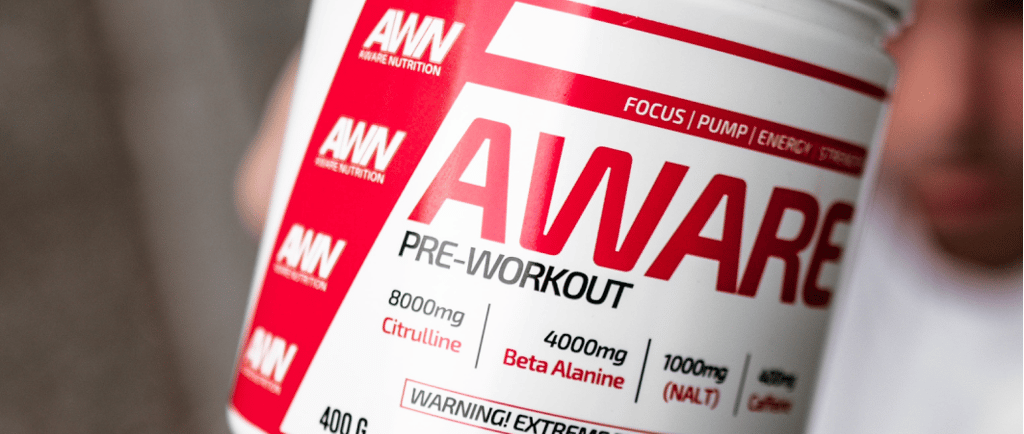

Recovery is not just about rest — it is a biological process involving inflammation control, tissue signaling, and cellular repair mechanisms.
When tissue is stressed or damaged, the body activates complex repair pathways. These include angiogenesis (the formation of new blood vessels), collagen synthesis, and cellular migration. Researchers study various signaling compounds to understand how these processes may be influenced or supported at the molecular level.
Beyond physical tissue repair, cellular resilience also relates to cognitive function and nervous system stability. Neurotransmitter balance, inflammatory signaling, and mitochondrial function all contribute to how resilient the body and brain remain under stress.
In research environments, certain peptides are studied for their potential interaction with these repair and resilience pathways. While scientific understanding continues to evolve, the broader concept remains consistent: optimization begins at the cellular level.
True performance is built on recovery. And recovery begins with biology.